Introduction
Generating leads is only the first step toward business growth. The real challenge lies in turning those leads into paying customers and, eventually, loyal brand advocates. In today's competitive digital landscape, most prospects aren't ready to make a purchase after their first interaction with a business. They research products, compare competitors, read reviews, and evaluate solutions before making a decision. This is where lead nurturing becomes essential.
Lead nurturing is the process of building meaningful relationships with potential customers throughout their buying journey. Instead of pushing immediate sales, businesses educate, engage, and support prospects with relevant content and personalized communication until they're ready to convert.
In 2026, businesses that implement effective lead nurturing strategies experience higher conversion rates, improved customer retention, shorter sales cycles, and better return on marketing investments. This guide explores what lead nurturing is, why it matters, proven strategies, common mistakes, emerging trends, and best practices for creating a successful lead nurturing process.
What Is Lead Nurturing?
Lead nurturing is the practice of engaging potential customers through personalized communication and valuable content at every stage of the sales funnel. The goal is to build trust, address customer pain points, and guide prospects toward making informed purchasing decisions.
Lead nurturing can include:
- Educational blog articles
- Personalized email campaigns
- Marketing automation workflows
- Product demonstrations
- Case studies
- Webinars
- Social media engagement
- Follow-up calls
- Customer success stories
Rather than focusing on aggressive selling, lead nurturing helps businesses create long-term relationships that encourage conversions and customer loyalty.
Why Lead Nurturing Is Important
Many businesses lose potential customers because they fail to stay connected after generating leads. A structured lead nurturing strategy helps organizations maintain engagement and move prospects through the buying journey.
Builds Customer Trust
Consistently sharing helpful and relevant information positions your business as a trusted advisor rather than just another service provider.
Increases Conversion Rates
Prospects who receive timely and personalized communication are more likely to become customers.
Shortens the Sales Cycle
Providing the right information at the right time helps prospects make faster purchasing decisions.
Improves Marketing ROI
Nurturing existing leads is often more cost-effective than constantly acquiring new ones.
Strengthens Customer Relationships
Lead nurturing continues even after the sale, encouraging repeat business and long-term loyalty.
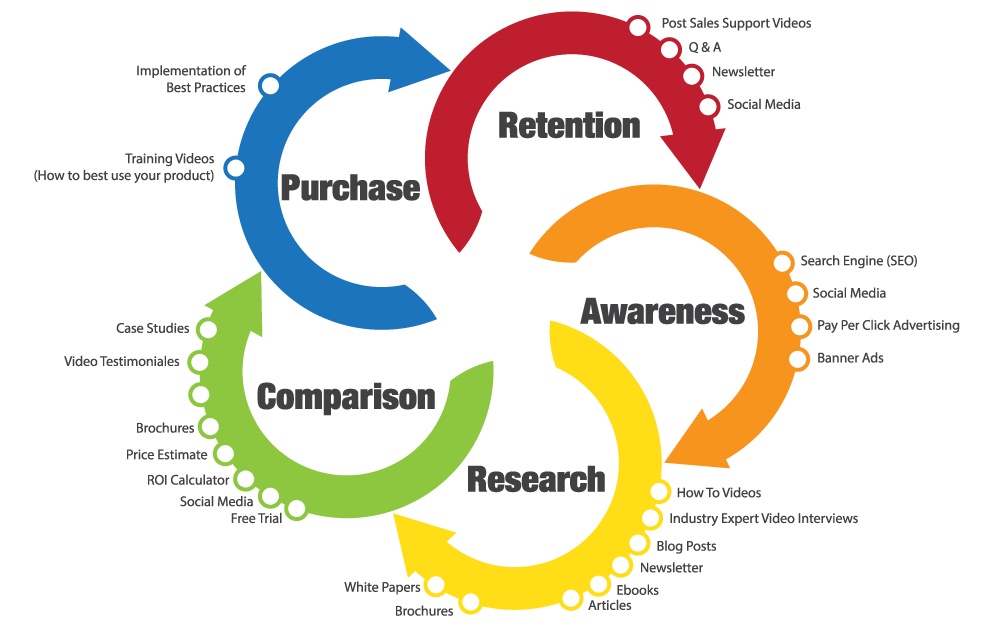
Understanding the Lead Nurturing Process
A successful lead nurturing strategy follows the customer journey.
Awareness Stage
Prospects become aware of a problem and begin searching for information.
Content examples:
- Blog posts
- Industry guides
- Educational videos
- Infographics
Consideration Stage
Potential customers evaluate different solutions and compare providers.
Useful content includes:
- Case studies
- Product comparisons
- Whitepapers
- Webinars
Decision Stage
Prospects are ready to choose a solution.
Helpful resources include:
- Product demonstrations
- Free consultations
- Customer testimonials
- Pricing information
- Success stories
Providing stage-specific content improves engagement and conversion rates.
Proven Lead Nurturing Strategies
1. Understand Your Target Audience
Successful lead nurturing begins with understanding your audience.
Research:
- Customer pain points
- Buying behavior
- Industry challenges
- Business goals
- Preferred communication channels
The better you understand your audience, the more relevant your communication becomes.
2. Segment Your Leads
Not every lead has the same interests or buying intent.
Segment leads based on:
- Industry
- Company size
- Job role
- Geographic location
- Purchase behavior
- Engagement level
Segmentation allows businesses to deliver highly personalized experiences.
3. Create Valuable Content
Content remains one of the most powerful lead nurturing tools.
Develop content such as:
- Blogs
- eBooks
- Industry reports
- Videos
- FAQs
- Success stories
- Tutorials
Educational content builds authority and helps prospects make informed decisions.
4. Personalize Every Interaction
Generic communication often fails to capture attention.
Personalization can include:
- Customer names
- Industry-specific content
- Product recommendations
- Behavioral triggers
- Personalized email sequences
Relevant messaging significantly improves engagement.
5. Use Marketing Automation
Marketing automation helps businesses deliver timely and consistent communication without manual effort.
Automation can manage:
- Welcome emails
- Lead scoring
- Follow-up reminders
- Email drip campaigns
- Customer onboarding
- Re-engagement campaigns
Businesses implementing Digital Marketing Services can leverage marketing automation, email campaigns, and audience segmentation to nurture leads more effectively and improve conversion rates.
6. Implement Lead Scoring
Lead scoring ranks prospects based on their likelihood to convert.
Scoring factors may include:
- Website visits
- Email engagement
- Content downloads
- Form submissions
- Product inquiries
Sales teams can prioritize high-quality leads while marketing continues nurturing others.
7. Maintain Consistent Communication
Successful lead nurturing requires regular engagement without overwhelming prospects.
Communication channels include:
- Email marketing
- Social media
- SMS
- Webinars
- Live chat
Consistency keeps your brand top of mind throughout the buying journey.
8. Optimize Your Website for Conversions
Your website plays a central role in lead nurturing.
Improve conversions by offering:
- Clear calls-to-action (CTAs)
- Easy navigation
- Fast loading speeds
- Landing pages
- Contact forms
- Downloadable resources
Businesses offering Website Development Services can create high-performing, user-friendly websites that improve lead capture, enhance user experience, and support higher conversion rates.
9. Build Trust Through Social Proof
Prospects are more likely to trust businesses with proven results.
Use:
- Customer testimonials
- Reviews
- Case studies
- Client success stories
- Industry certifications
Social proof reduces uncertainty during the buying process.
10. Analyze and Improve Performance
Lead nurturing should evolve based on measurable results.
Monitor key metrics such as:
- Email open rates
- Click-through rates
- Conversion rates
- Customer acquisition cost
- Sales cycle length
- Lead-to-customer ratio
Continuous optimization improves long-term ROI.
Common Lead Nurturing Mistakes
Businesses often make avoidable mistakes.
Focusing Only on Sales
Every interaction shouldn't be promotional.
Provide educational value before asking for a purchase.
Ignoring Personalization
Generic messaging reduces engagement.
Poor Follow-Up
Delayed responses often result in lost opportunities.
Overwhelming Prospects
Sending excessive emails can reduce trust and increase unsubscribe rates.
Not Measuring Results
Without analytics, businesses cannot improve campaign performance.
Best Tools for Lead Nurturing
Modern businesses use various technologies to improve lead management.
Popular categories include:
- CRM platforms
- Email marketing software
- Marketing automation tools
- Customer analytics platforms
- Live chat solutions
- AI-powered chatbots
- Lead scoring systems
The right technology helps automate repetitive tasks while improving customer experiences.
Emerging Trends in Lead Nurturing
Lead nurturing continues evolving with new technologies.
AI-Powered Personalization
Artificial Intelligence recommends personalized content based on user behavior.
Predictive Analytics
Businesses identify high-converting leads using data-driven insights.
Omnichannel Engagement
Customers expect consistent experiences across email, websites, social media, and messaging apps.
Interactive Content
Quizzes, calculators, assessments, and interactive demos improve engagement.
First-Party Data Strategies
Businesses increasingly rely on customer-consented data to deliver relevant experiences while respecting privacy.
Best Practices for Long-Term Lead Nurturing Success
To maximize conversions, businesses should:
- Understand customer needs
- Deliver valuable educational content
- Personalize every interaction
- Automate repetitive workflows
- Align marketing and sales teams
- Respond quickly to inquiries
- Measure campaign performance regularly
- Continuously optimize customer journeys
Building relationships—not just generating leads—is the key to sustainable growth.
Conclusion
Lead nurturing is no longer optional for businesses looking to maximize their marketing and sales efforts. By engaging prospects with personalized communication, valuable content, and timely follow-ups, organizations can build trust, improve conversion rates, and create lasting customer relationships.
Rather than focusing solely on acquiring new leads, businesses should invest in nurturing existing prospects throughout every stage of the buyer's journey. A well-planned lead nurturing strategy not only shortens the sales cycle but also enhances customer loyalty and increases lifetime value.
As automation, AI, and customer expectations continue to evolve in 2026, businesses that prioritize meaningful engagement and personalized experiences will be better positioned to drive sustainable growth and outperform their competitors.
Frequently Asked Questions (FAQs)
1. What is lead nurturing?
Lead nurturing is the process of building relationships with potential customers through personalized communication, valuable content, and consistent engagement until they are ready to make a purchasing decision.
2. Why are lead nurturing strategies important?
Lead nurturing helps businesses increase conversion rates, improve customer trust, shorten the sales cycle, enhance customer engagement, and maximize the return on marketing investments.
3. What are the most effective lead nurturing strategies?
Some of the most effective strategies include audience segmentation, personalized email marketing, marketing automation, lead scoring, educational content creation, consistent follow-ups, and website optimization.
4. How does marketing automation support lead nurturing?
Marketing automation streamlines repetitive tasks such as email campaigns, follow-up reminders, customer segmentation, lead scoring, and workflow management, ensuring timely and personalized communication.
5. What is lead scoring?
Lead scoring is a method of ranking prospects based on their behavior, engagement level, and likelihood of becoming customers, helping sales teams prioritize high-quality leads.
6. How often should businesses communicate with leads?
Communication should be consistent but not excessive. The ideal frequency depends on the customer journey, industry, and engagement level while ensuring every interaction provides value.
7. Which metrics should businesses track to measure lead nurturing success?
Important metrics include email open rates, click-through rates, conversion rates, lead-to-customer ratio, customer acquisition cost, sales cycle length, and return on investment (ROI).
8. Can small businesses benefit from lead nurturing?
Yes. Lead nurturing helps businesses of all sizes build stronger customer relationships, improve conversions, reduce marketing costs, and create long-term customer loyalty without requiring large marketing budgets.